











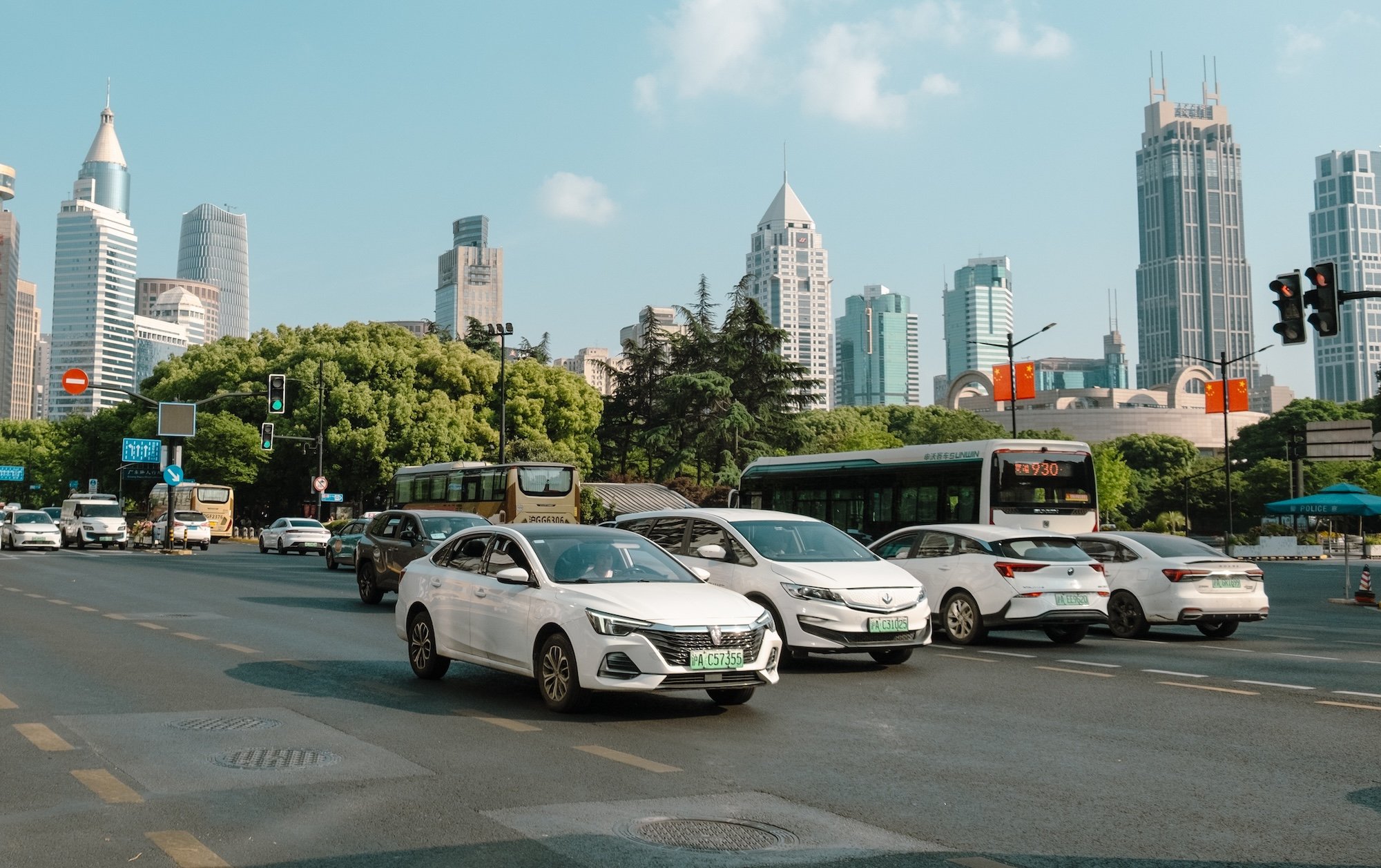
Transit Month Challenge is a simple, low-pressure way to experiment with how you get to work during September. The idea is not to eliminate driving or to find a perfect routine. It is to try one new commute habit for a short time and see whether a different choice works better for your budget, schedule, wellbeing or environmental goals.
Try one small change this September – it might mean taking transit one day, sharing a ride once a week, biking part of your route or using commuter benefits to lower your cost. The point is discovery, not perfection: Notice what saves money, cuts emissions, reduces stress or just makes your day a little easier.
 Choose one of three simple goals:
- Greener – reduce solo driving or try a lower‑impact option
- Cheaper – cut transportation expenses or use commuter benefits more effectively
- Happier – make the commute feel less stressful, more flexible, or more enjoyable
What is Transit Month?
Transit Month is generally observed in September by transit agencies and transportation organizations. It’s a time to celebrate public transportation, sustainable mobility and the people who keep communities moving.
Activities and official recognition vary by location. For example, September is recognized as Transit Month in the Bay Area. Employers can use the month to educate employees, encourage alternative transportation and promote commuter benefits.
Think of it as a good excuse to try a different route – or at least see what your commute looks like from a different seat.
The Transit Month challenge
The Transit Month Challenge is straightforward: Choose. Try. Keep. There’s no need for a grand overhaul or commitment to a new reality – just a manageable experiment to find what fits you best.
 1. Choose one commute goal
Pick the focus that matters to you most:
- Go greener – Test out public transportation, carpooling, vanpooling, biking, walking, or any mix. Even a small step away from solo driving can make a real difference.
- Spend less – Take a fresh look at all your commute costs: parking, tolls, gas, transit fares and other hidden expenses. See whether commuter benefits could help cover eligible costs.
- Feel better – Aim to dial down stress or add value to your time. Maybe you’d rather avoid traffic, get some exercise, listen to music, or use transit as a pocket of downtime in your day.
2. Try it once – or just once a week
The challenge is to keep things simple and accessible:
- Ride transit for at least one commute
- Share a car with a coworker or neighbor
- Walk or bike part of the way
- Mix and match with a bus, train, or another route you haven’t tried
- Use a commuter benefit for an eligible expense
- Swap out one solo drive for a different option, just once
Whatever your schedule, location, or needs, the goal is to make a small change. Even one attempt can help you see what works.
3. Keep what works
As Transit Month winds down, try asking yourself:
- Did this way save money?
- Was it a better choice for the environment?
- Did my commute feel smoother, less stressful, or even more enjoyable?
- Would I want to do this again every so often?
You do not need to overhaul your whole routine. If you find one improvement worth repeating, that is a win.
How to make your commute greener
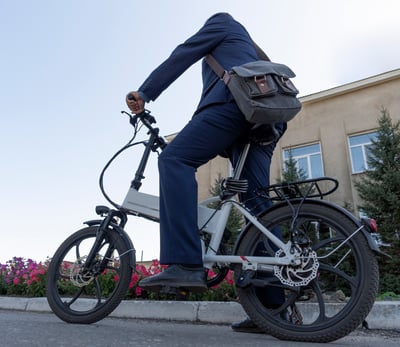 Sustainable commuting is not just about taking the bus every day. There are plenty of ways to lower your commute’s impact, whether that means finding alternatives once a week or simply mixing up your routine. Here are some options to consider:
- Bus, train, subway or ferry
- Carpooling or joining a vanpool
- Walking or biking for all or part of your trip
- Combining transit with micromobility options (like scooters or bike share)
- Reducing the number of days you drive alone
- Taking advantage of hybrid work if your job allows
Even a modest change can make a difference. For example, switching from a solo 20‑mile commute by car to public transit could cut approximately 4,800 pounds of CO₂ emissions each year (depending on vehicle type, route and local transit system).
A small, consistent step is all it takes to move the dial toward a greener commute.
Why commuter benefits support sustainable transportation
Commuter benefits can make choosing alternatives more convenient and affordable. Depending on your employer’s plan, you might get support for:
- Public transportation fares
- Vanpool costs
- Qualified parking
- Micromobility or other post-tax transit options, if available
The real win is when these choices are easy and clearly explained. People are much more likely to try a new commute option when it feels practical – and the support is already built in.
How to make your commute cheaper
 Saving money on your commute doesn’t always mean giving up comfort or convenience. It starts with getting a clear picture of everything you spend getting to work – and then exploring other options that could trim those costs.
Look beyond gas and fares
The true price of commuting is more than a transit pass or a tank of gas. Factor in:
- Parking fees
- Tolls
- Vehicle maintenance and repairs
- Depreciation
- Fuel or charging costs
- Occasional rideshare trips
Try comparing your current weekly costs to what you would pay with a different mode, like transit or carpooling. Add up all expenses on both sides, not just the obvious ones. Sometimes a small switch – like using a commuter benefit for transit tickets or parking – can lead to real savings over a month.
Here’s a simple way to line it up:
| Cost to Compare | Driving | Transit / Shared ride |
| Fuel or fare | ||
| Parking | ||
| Tolls | ||
| Other costs | ||
| Weekly total |
Commuter benefits can stretch your budget further if your workplace offers them. Check if any of your current or new expenses qualify – you might uncover savings you didn’t expect.
How to make your commute happier
 A better commute is about more than just cutting emissions or saving money – it’s also about how you feel during your trip to work and back. Sometimes a small change is all it takes to transform a routine part of the day into something you actually look forward to – or at least mind less.
Consider options that can make your commute less stressful or more enjoyable:
- Take a route that avoids the most unpredictable traffic or stressful transfers.
- Use public transit time to read, listen to music or catch up on a podcast.
- Walk or bike for part of your trip to add some movement and fresh air.
- Team up with a colleague or friend to carpool and make the ride more social.
- Have a backup plan for unexpected delays or emergencies, so you never feel stuck.
- Use any flexible work arrangements to dodge the most hectic commute days.
There is no single “best” mode for everyone – the aim is to find what makes your time in transit work for you, whatever that looks like. Commuter benefits are not about pushing everyone to do the same thing. They are meant to give you real choices.
Why flexibility matters
Having options can make a world of difference, not just in your mood but also in your day-to-day life. Flexible commutes are tied to:
- A better employee experience
- More stable finances
- Smoother return-to-office transitions
- Recruitment and retention for employers
- Progress toward workplace sustainability goals
Edenred’s return‑to‑office resources point out that commuter benefits can help employees handle transportation costs and adjust routines during times of change. A commute that works for you – even if it’s just a small adjustment – is the kind that sticks.
A quick Transit Month checklist
Transit Month is designed to be simple and practical. Here’s a quick way to make the most of the challenge – whether you’re commuting every day or just heading into the office once in a while.
For individuals:
- Pick one commute goal: greener, cheaper or happier.
- Try one new commute option at least once in September.
- Check if your employer offers commuter benefits, and see which ones are a fit for your needs.
- Compare how the new experience and cost stack up against your usual routine.
- Keep whatever change works best for you, whether it’s a new route, a shared ride or just using your benefits more effectively.
For employers:
- Share information about commuter benefits with all employees.
- Encourage teams to take part in Transit Month activities.
- Offer resources for public transit, carpooling, biking or vanpooling options.
- Ask for feedback on what commute changes made the biggest difference for your team.
Small steps add up. By trying just one new thing this month, you could find an improvement you’ll want to keep.
Make one commute change worth keeping
Transit Month is not about dramatic lifestyle shifts or giving up what works for you. Sometimes, all it takes is one bus ride, a shared trip, a chance to bike part of your route, or taking advantage of a commuter benefit you have overlooked. That single small change can reveal a different way to travel – one that is more affordable, sustainable or simply more enjoyable.
Maybe a less expensive option helps you save for something bigger, or a greener choice makes you feel good about your environmental impact. Perhaps you discover a route that frees up time for a podcast or gives you a bit of exercise before work.
The best result is finding one thing that fits well enough to be worth repeating. When you make even a small change, it often opens the door to more flexibility, better well-being and choices that add up over time. Give yourself credit for any improvement – sometimes, the smallest step is all it takes to set a better tone for your journey to and from work.
Schedule a demo to learn more about how Edenred can help your organization institute commuter benefits people actually use.